
REVERIE
Phùng Khánh Linh – Building a World of Her Own

Intimate indie ballads, the ambitious world-building of CITOPIA and the emotional introspection of Giữa một vạn ngườihave quietly shaped Phùng Khánh Linh into one of the most distinctive singer-songwriters in V-pop. From her early days as a contestant on The Voice Vietnam to sold-out live tours drawing thousands of listeners within minutes, her music continues to explore loneliness, femininity, memory and the quiet process of growing into oneself.
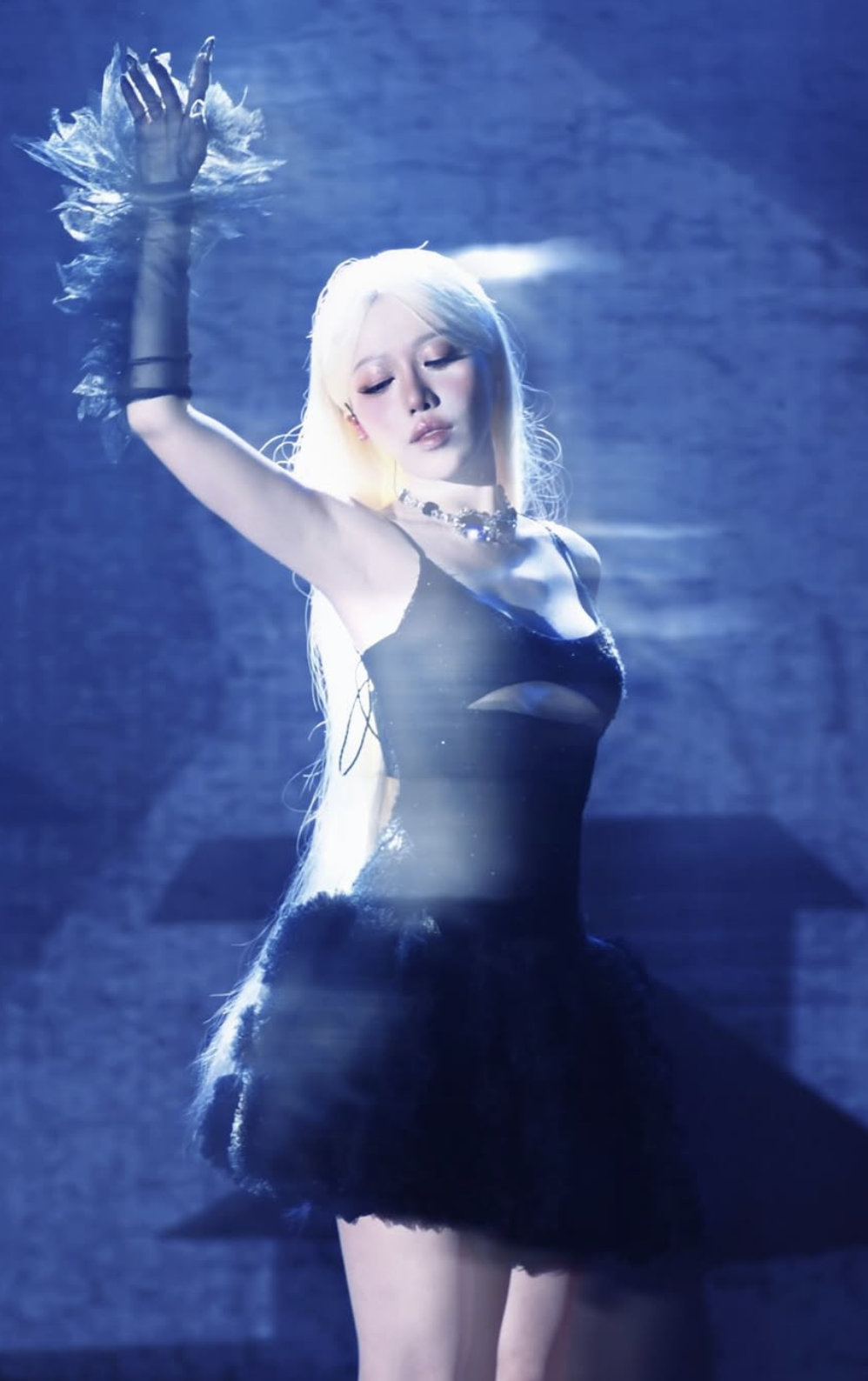
PHÙNG
KHÁNH LINH
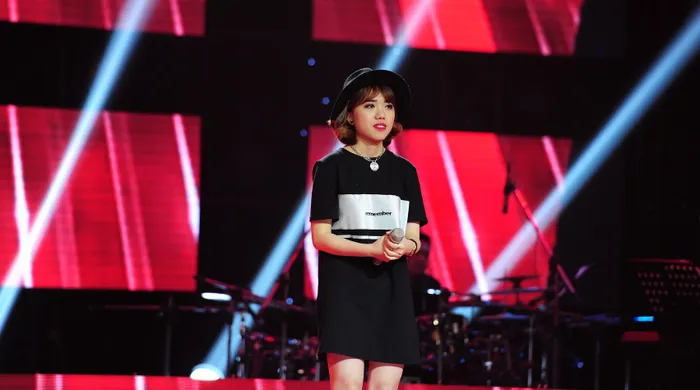
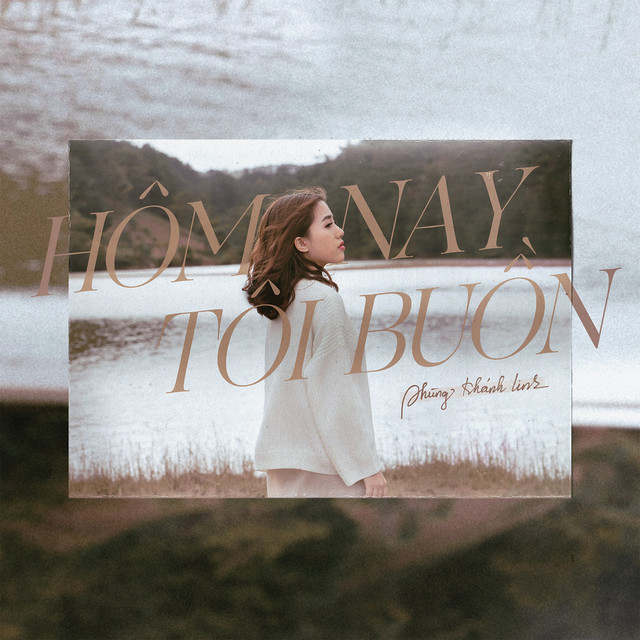
Phùng Khánh Linh is a Vietnamese singer-songwriter. She first gained public attention as a contestant on the third season of The Voice Vietnam, and later became widely recognized through her 2018 hit song Hôm nay tôi buồn. In 2020, she released her debut studio album Yesteryear, followed by Citopia in 2022. In 2025, she unveiled her third studio album, Giữa một vạn người. Phung Khanh Linh’s songwriting has consistently received praise from both music critics and general audiences for its experimental spirit and genre diversity. Throughout her career, she has earned three nominations at the Làn Sóng Xanh Awards — winning the “Top 10 Most Favorite Female Singers/Rappers” category — along with ten nominations at the Dedication Music Awards, two nominations at the Blue Star Awards, and one nomination at the Mai Vàng Awards.
There are artists who spend their careers trying to be seen, and then there are artists like Phùng Khánh Linh — people who seem more interested in building a world first, trusting that the right listeners will eventually find their way into it.
For years, Phung Khanh Linh has occupied a strangely unique space within Vietnamese music. Never entirely mainstream, yet never fully underground either, she has slowly shaped a discography that feels intimate without becoming small, ambitious without losing emotional sincerity. Her music rarely asks for attention loudly. Instead, it lingers. It unfolds slowly over time, revealing new textures and emotions the longer you stay with it.
What makes her artistic journey compelling is not simply the evolution in sound, but the feeling that each era reflects a deeper understanding of herself. Listening to her discography chronologically feels less like watching an artist chase trends and more like watching someone gradually become braver about her own imagination.
The Quiet Beginning
For many listeners, the first image of Phung Khanh Linh was tied closely to sadness.
Early songs carried a softness that felt deeply personal, almost fragile at times. There was a quietness in the way she approached songwriting — not just musically, but emotionally. Instead of dramatic declarations, she often focused on smaller feelings: loneliness that arrives at midnight, memories that refuse to disappear, the ache of growing apart from someone gently rather than suddenly.
That emotional restraint became one of her defining strengths.
At a time when many ballads depended heavily on vocal theatrics or explosive climaxes, Linh’s music often chose intimacy instead. She sounded less interested in impressing listeners than in understanding herself through songwriting. Even in her earliest works, there was already a strong sense that music was functioning as a private emotional language before anything else.
And perhaps that is why so many people connected with her quietly over time. Her songs did not feel engineered for virality. They felt lived in.
Learning to Dream Bigger
What makes Phung Khanh Linh fascinating, however, is that she did not remain inside that minimal space forever.
As her career progressed, her music became increasingly cinematic and conceptually ambitious. The emotions remained intimate, but the world surrounding those emotions grew larger. There were richer arrangements, more theatrical storytelling choices, and a stronger visual identity shaping each release.
Importantly, these changes never felt like a rejection of who she used to be. Instead, they felt like an expansion.
Many artists struggle when attempting to evolve beyond the image audiences first associate with them. Some lose emotional authenticity in the pursuit of scale. Others become trapped repeating the same aesthetic forever. Linh has managed to avoid both extremes. Even as her production became more layered and experimental, there was always a recognizable emotional core underneath it.
She still writes like someone trying to make sense of complicated feelings in real time. The difference is that she now allows those feelings to exist inside much bigger worlds.
Femininity, Nostalgia, and Emotional Memory
One of the most fascinating things about Phung Khanh Linh’s career is how each album feels like a different emotional universe.
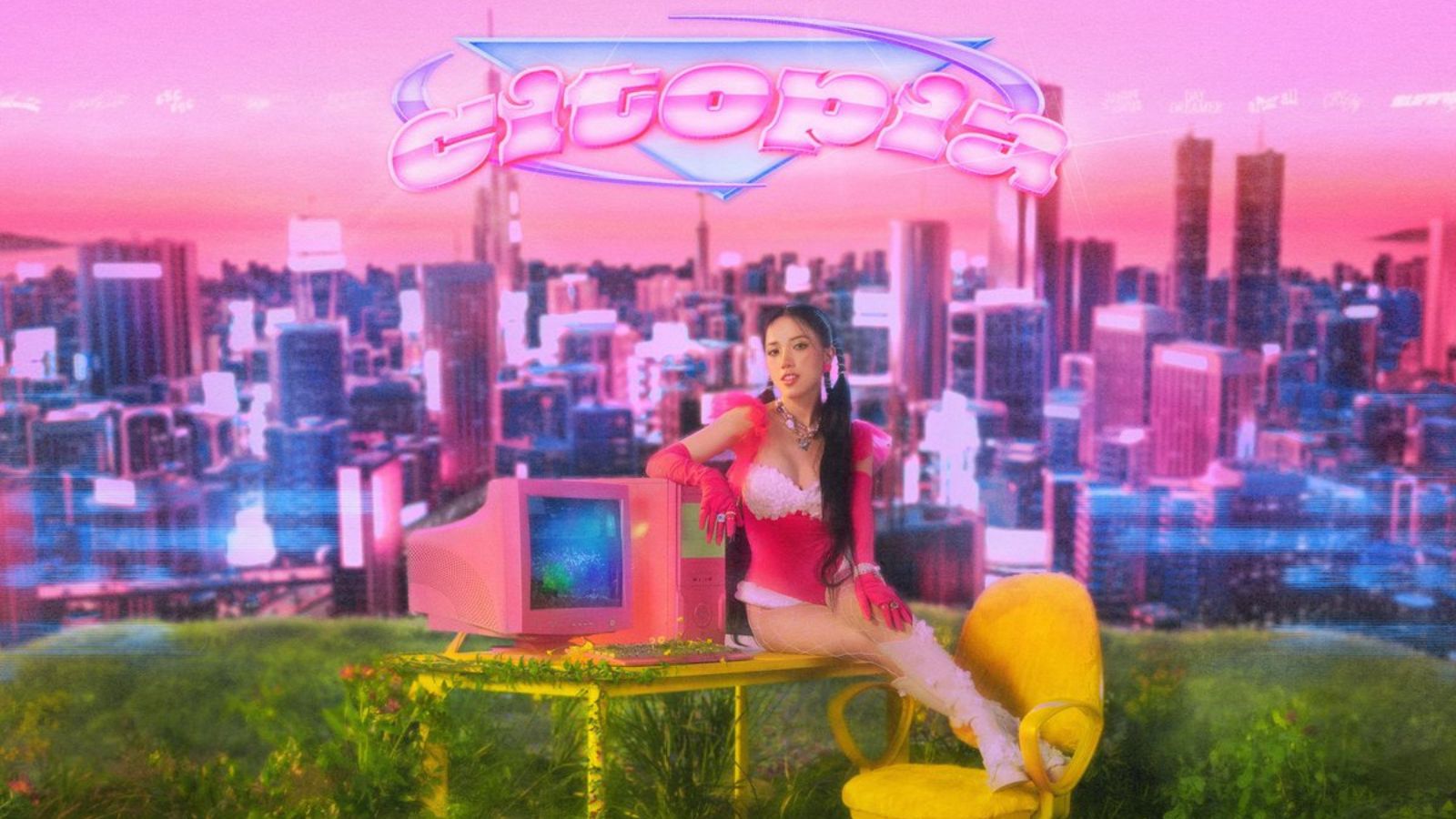
With CITOPIA, she stepped into her most stylized and ambitious era. The album embraced city pop influences, shimmering synths, dreamy visuals, and a sense of emotional escapism that felt almost cinematic. It was bright, romantic, and intentionally artificial in the most beautiful way — like wandering through a neon city where loneliness could temporarily dissolve into fantasy.
At the time, CITOPIA felt like proof that Linh was no longer confined to the image of a soft indie ballad songwriter. She could build concepts, aesthetics, and sonic identities large enough to fully immerse listeners inside them. More importantly, she proved that experimentation did not have to come at the expense of emotional sincerity.
But what makes her artistic evolution truly compelling is what came after.
Instead of continuing to chase bigger spectacle, Giữa một vạn người turned inward again — though not in the same way as her earlier music. The album felt heavier emotionally, more grounded in emotional fragmentation, modern loneliness, and the quiet exhaustion of trying to exist among other people without losing yourself in the process.
If CITOPIA was about dreaming your way out of reality, Giữa một vạn người felt like finally sitting inside reality without trying to escape it.
Even sonically, the contrast is striking. The glossy nostalgia and shimmering textures of CITOPIA gave way to dream pop, alternative pop, indie rock, and darker emotional atmospheres. There was still beauty in the music, but this time it felt bruised rather than idealized.
And perhaps that is what makes Phung Khanh Linh’s journey feel so rewarding to follow. She does not simply evolve toward bigger sounds or trendier aesthetics. Instead, each project feels like a different attempt to understand herself — sometimes through fantasy, sometimes through memory, and sometimes through confronting uncomfortable truths directly.
career milestones

Not every artist builds a world of their own. Many simply learn how to survive inside existing ones.
Phung Khanh Linh chose the harder path. Over the years, she has quietly created a musical universe defined by emotional detail, femininity, introspection, and artistic patience. It is not the loudest world in Vietnamese music, nor the most commercially dominant. But it is unmistakably hers.
And maybe that is ultimately what makes her journey so compelling: the feeling that every album, every visual choice, and every carefully written lyric is another small piece of a world she has been building all along.
mừng cho cổ TT